It was supposed to be a gathering of the great and the good to discuss climate change. The meeting in central London on Wednesday was titled Extreme Heat and was part of London Climate Action Week. It was cancelled because it was just too hot.
If the organisers were embarrassed, they could at least say their point was made.
The June temperature record was broken at 36.1 degrees Celsius (97 degrees Fahrenheit) in some places.
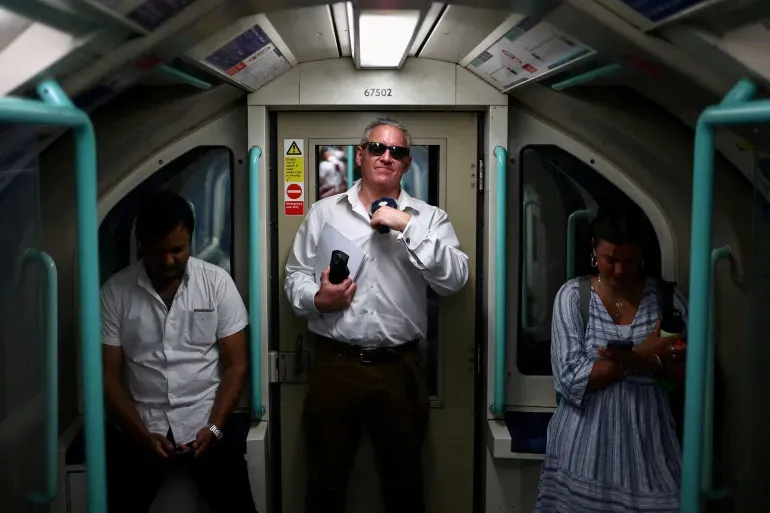
The past few days have revealed that the UK is not made for the heat – structurally or culturally.
United Nations Secretary-General Antonio Guterres said: “London isn’t just calling. It’s cooking.”
Electrical group AO World says sales of air conditioning units are up 420 percent from a year ago. Other suppliers say they have run out of stock.
Motoring group the RAC says it responded to 20 percent more callouts for broken-down vehicles than usual as cars succumbed to the extreme weather.
But there are negative effects on the economy, too.
Rajeev Shaunak, head of consumer at business adviser MHA, said: “Historically, a British heatwave triggered spending in categories linked to food, drink and garden furniture, as we witnessed during the hot summers of 2018 and 2022.
“However, in 2026, the pattern of spending appears to be dependent on how high the mercury rises. In previous years, warm weather was a guaranteed bonus for retailers, but if the extreme heat continues, it could have the opposite effect.”
An ice cream seller told Al Jazeera on Thursday that fewer people are daring to leave their homes or offices during the heatwave, while a chef said he takes extra care to ensure food does not expire.