A foreign national has been beaten to death by a mob in the South African port city of Durban, police say, as the country remains gripped by months of anti-migrant protests.
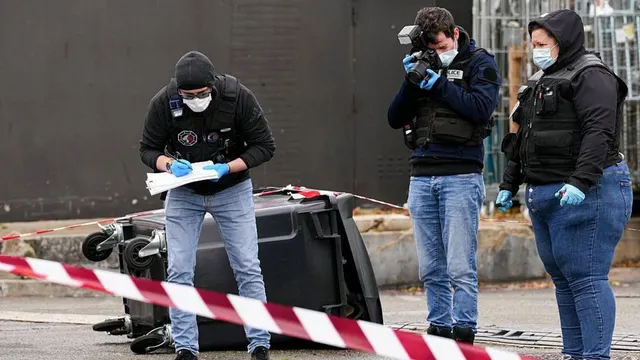
Police said the unidentified man, believed to be in his late 30s or early 40s, was approached by two men as he stood by the roadside in Durban's central business district before being assaulted by a group of approximately 50 people. He was pronounced dead at the scene.
Authorities have launched a murder investigation. Police did not reveal the victim's nationality and said they were still working to identify suspects. The motive has not been established.
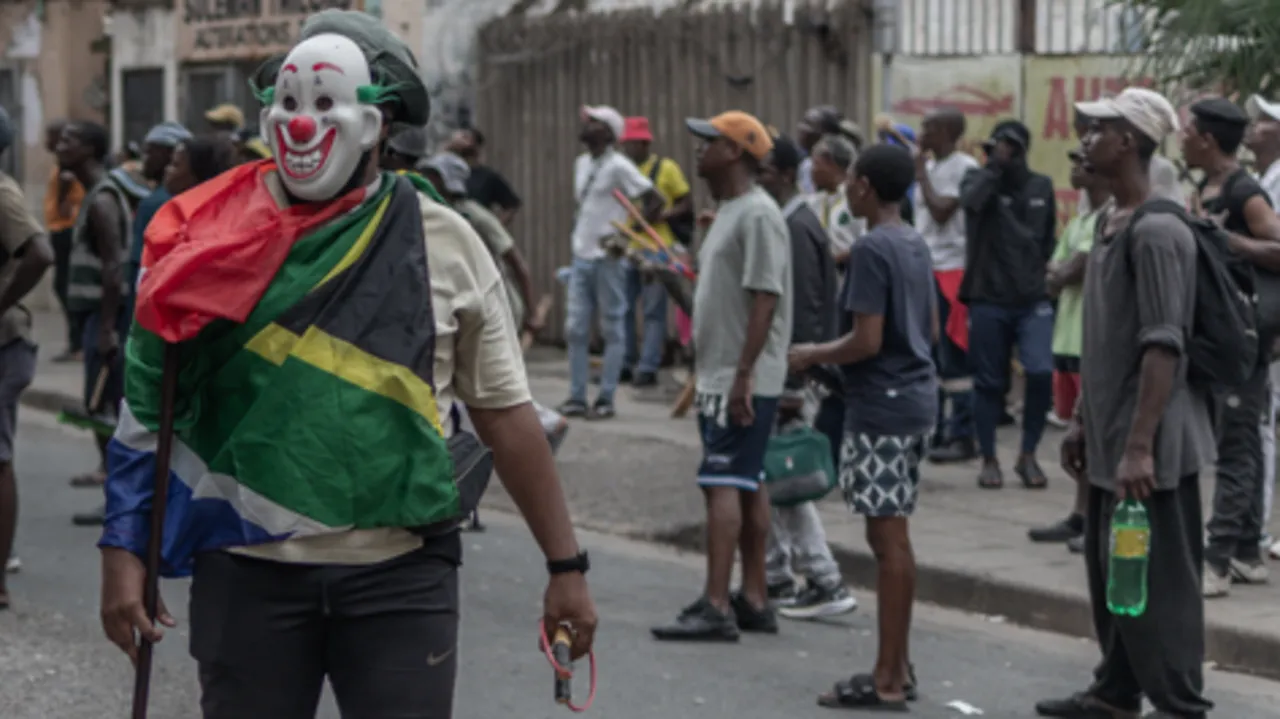
Durban has been at the centre of months of demonstrations against foreign nationals. Looting and violence erupted in the city two weeks ago following an anti-migrant march, and earlier this month shops and cars were set on fire in Durban as well as in Soweto, near Johannesburg.
Protests calling for government action against undocumented migrants began in June, with some escalating into violence. Tens of thousands of migrants have left South Africa in recent months in what has been described as one of the largest mass exoduses in years.
The South African government has urged demonstrators to act peacefully while acknowledging the need for immigration reform. It says tens of thousands of foreign nationals have been deported or repatriated since a crackdown was launched earlier this year. Authorities also said many departures were linked to migrants not holding the required documentation.
President Cyril Ramaphosa has denounced anti-migrant violence but acknowledged that weak border control systems have allowed undocumented migrants to enter and remain in the country. Government figures show approximately 2.4 million foreign nationals live among South Africa's population of 62 million.
Nigeria, Mozambique, Malawi and other countries have said some of their citizens have been killed in xenophobic attacks. South African authorities disputed some of those claims, saying certain deaths were linked to criminal activity rather than targeted violence.
Nigeria accused South African authorities of responsibility for the deaths of two of its citizens. Ghana confirmed the death of one of its citizens, Bashiru Isak, a father of three who was fatally shot in Cape Town during demonstrations targeting foreign nationals. His death triggered a diplomatic dispute, with South Africa saying the scale of the violence had been exaggerated.
Several countries, including Zimbabwe, Nigeria and Ghana, took steps to repatriate their citizens amid fears of further violence.
One of the groups behind the protests, March and March, had initially set a deadline of 30 June for all undocumented migrants to leave South Africa. One of the movement's leaders, Jacinta Ngobese-Zuma, denied that the campaign was xenophobic.
"We can't be living with these people for so many years and now when we say it is too much, it is enough, we are told that we are xenophobic," she said.
South Africa has faced recurring xenophobic violence for nearly two decades. In 2008, more than 60 people were killed and tens of thousands were displaced during widespread attacks on foreign nationals.
The latest unrest comes against a backdrop of widespread poverty, deep inequality and unemployment affecting roughly a third of the workforce. Migrants are frequently accused of taking jobs, contributing to crime and placing pressure on public services, although researchers say such sweeping claims are not supported by evidence.
South Africa remains one of the continent's main destinations for migrants seeking employment, safety and better opportunities, despite its economic difficulties. It is Africa's largest economy.