French authorities have banned demonstrations in several of the country's largest cities, as President Emmanuel Macron blamed far-left groups for stoking violence during weekend protests that saw more than half a million people take to the streets.
The Paris Police Prefecture announced that Thursday's protests would be prohibited in key parts of the capital until 8pm local time. The ban covers areas near the Elysee Palace, both houses of parliament, the city's main train stations, and parts of downtown Paris where looting occurred over the weekend.
According to sources, the ban was deemed necessary due to organisers' "inability to prevent violence and vandalism." Authorities in Lyon, Lille and Grenoble also prohibited planned Thursday demonstrations.
The restrictions follow Saturday's nationwide protest, which brought together students demanding better school conditions and groups denouncing high living costs. At least 2,500 people were arrested after riots broke out in several areas and shops were looted.
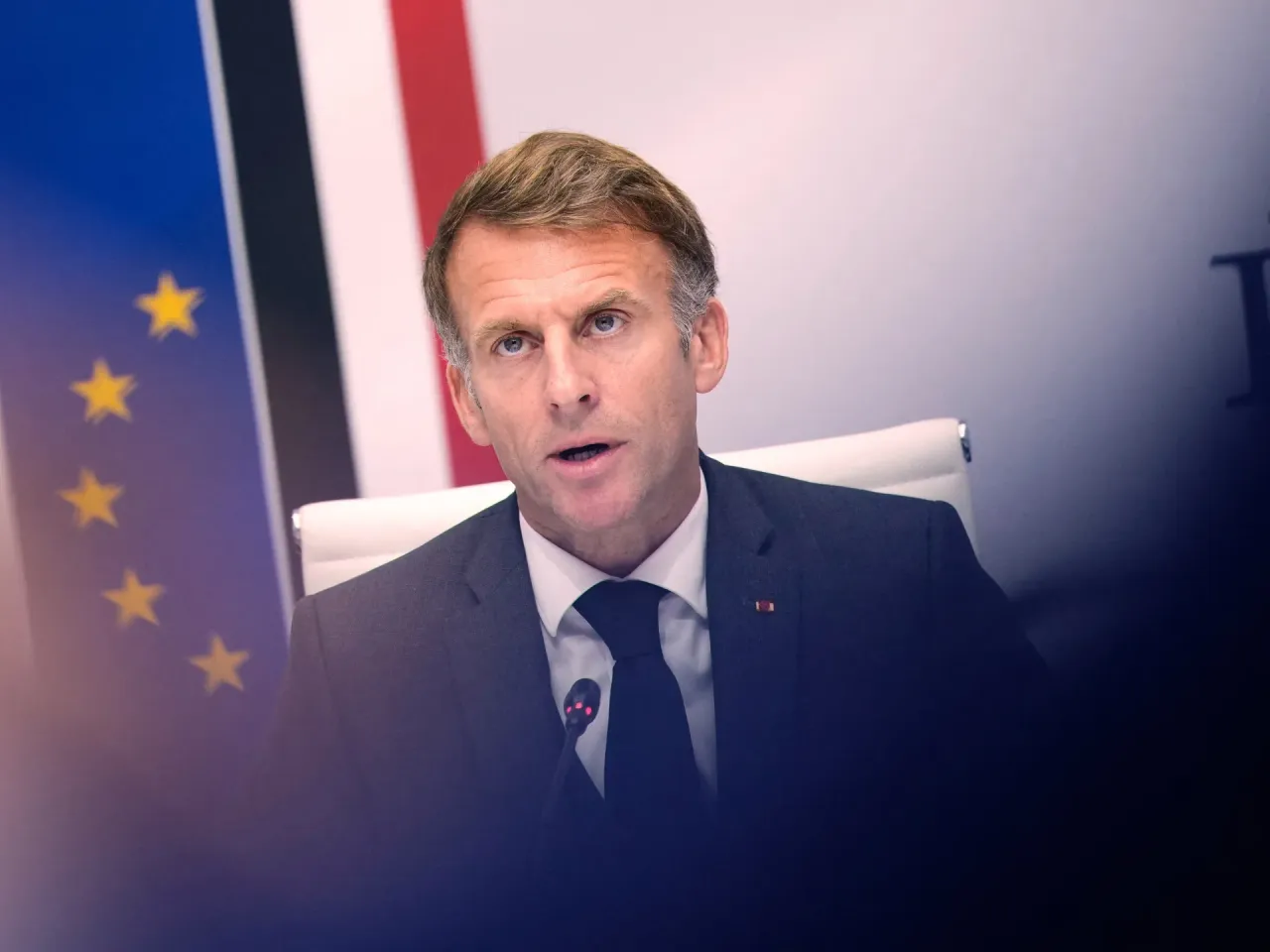
Speaking from the Elysee Palace on Thursday, Macron described Saturday's unrest as "seditious acts" carried out by "ultra-left" groups, whom he accused of trying to "bring down the Republic."
He announced that France would ban all "illegitimate" protests in the coming days. Approved demonstrations led by organised groups such as unions would be required to take alternative routes outside city centres in order to protect businesses.
Macron added that he would convene the country's defence council on Friday to take further action. Earlier on Thursday, he held a meeting with intelligence services, Prime Minister Sebastien Lecornu and ministers to review what went wrong over the weekend and assess preparations for upcoming protests.
Thursday's demonstrations were widely seen as a prelude to a larger protest planned for Saturday, when activists from the "yellow vest" movement are expected to join. The yellow vest protests over fuel prices shook France in 2018 and 2019. Some Saturday marches, including in Lyon, will also be banned, local authorities said.
Prime Minister Lecornu, who met union representatives on Wednesday, said a "massive" security operation was planned for Saturday to prevent a repeat of the violence, which he acknowledged had exposed shortcomings in security measures.
Union representatives said their meeting with Lecornu produced no concrete proposals. They are now focused on a further day of action scheduled for November 5, calling on both private and public sector employees to participate.
The unrest has its roots in demonstrations that erupted last month at a high school in Creteil, southeast of Paris, over a lack of staff. Strikes, blockades and protests subsequently spread to other Paris suburbs and then nationwide, including to smaller towns.
Students have raised concerns about underfunded schools, dilapidated facilities and staff shortages, particularly in lower-income neighbourhoods. Those education-focused demonstrations have since broadened into wider protests over soaring living costs.