London's Judicial Committee of the Privy Council (JCPC) has overturned laws criminalising same-sex intimacy in Trinidad and Tobago, in what campaigners are calling a landmark ruling for gay rights across the Commonwealth.
The JCPC, which serves as Trinidad and Tobago's final court of appeal, ruled unanimously that the laws were not in keeping with the "fundamental individual right to respect for private and family life."
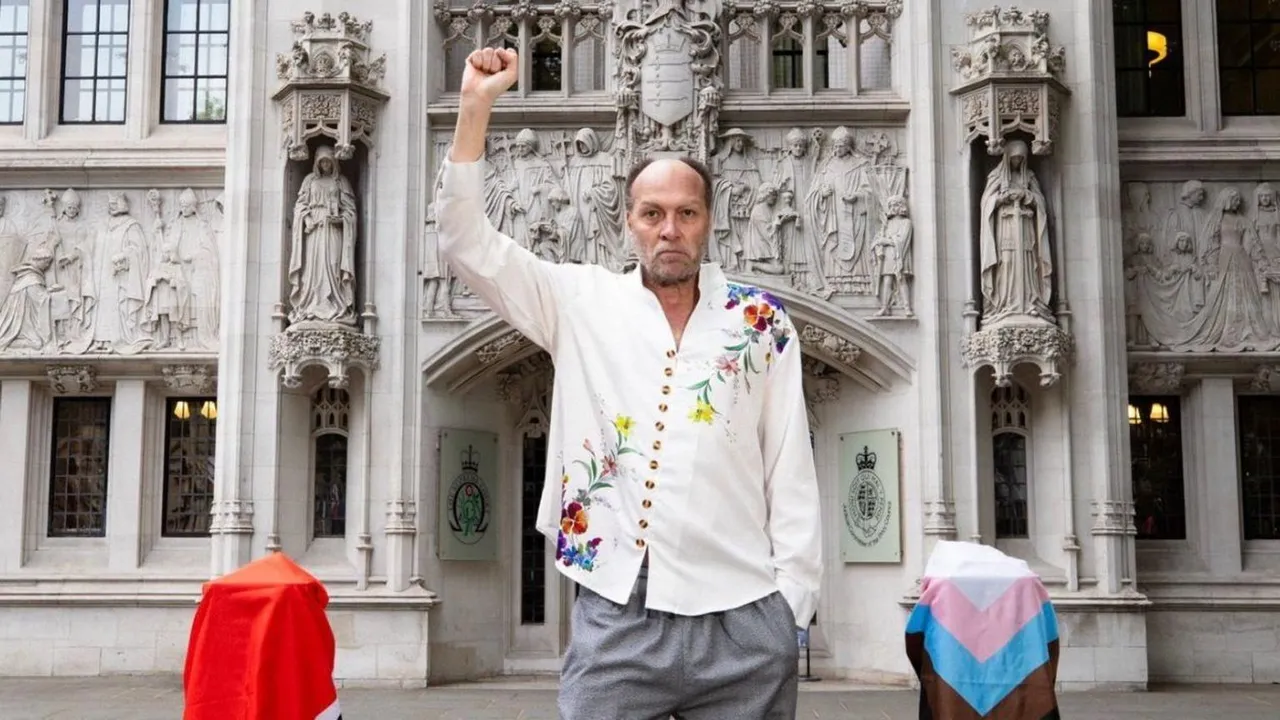
The judgement is the result of an 11-year legal battle brought by dual citizen Jason Jones, 62. Jones had successfully challenged the laws in 2018 in Trinidad's High Court, but that ruling was overturned on appeal by the Trinidadian government.
It is the first time the JCPC has ruled on a case to decriminalise same-sex intimacy.
Prior to the decision, Trinidad and Tobago was one of approximately 34 Commonwealth countries that continued to criminalise homosexuality under colonial-era British laws. Under those laws, consensual same-sex intimacy was punishable by imprisonment and, in some cases, carried the death penalty.
The Attorney General of Trinidad and Tobago had argued that the laws were protected from legal challenge by "savings law clauses," which carried over existing British laws into newly independent states.
Representatives for Jones countered that the laws violated an individual's right to privacy. They also argued that government amendments introduced in 1986, which brought stricter punishments, meant the savings clause protections no longer applied.
The judicial committee found unanimously in favour of Jones.
Handing down the judgement, Lord Sales told the court the laws "cannot be regarded as reasonably justifiable in a society that has a proper respect for the rights and freedoms of an individual."
Jones said he hoped the ruling would "accelerate the fight for full equality." He added: "These laws never reflected who we are as a people and a nation - diverse, multiracial, and secular. They told LGBTQ+ people that we were criminals in our own country. That message ends today."
Lawyer Anand Ramlogan SC, representing Jones, described the judgement as a "landmark victory for gay rights, equal dignity and respect for private and family life in Trinidad and Tobago."
Campaigners hope the ruling will spark similar legal challenges elsewhere in the Commonwealth.