The United States and Iran held technical talks in Doha on Wednesday as both sides sought to secure a lasting ceasefire and restore shipping through the Strait of Hormuz, according to a source with direct knowledge of the negotiations and an Iranian official.
U.S. President Donald Trump's son-in-law Jared Kushner and special envoy Steve Witkoff met with Qatar's prime minister, one of the mediators alongside Pakistan, to help prepare the negotiations. Neither attended the technical discussions.
The talks are based on a 14-point interim agreement signed last month that was intended to end the conflict that began with U.S.-Israeli strikes on Iran in February, reopen the Strait of Hormuz and establish a 60-day framework for negotiating a permanent peace agreement.
Despite the interim accord, both sides have publicly disagreed over its interpretation, resulting in renewed military exchanges over the past week.
According to two senior Iranian sources, Tehran is seeking international recognition of its control over the Strait of Hormuz and its authority to impose fees on ships using the waterway. Maritime traffic has partially resumed through the strait, which previously handled around one-fifth of global oil and liquefied natural gas trade.
The current round of negotiations is focused on managing the Strait of Hormuz and securing the release of $6 billion in frozen Iranian assets, the Iranian official said. The United States has said its priority is ensuring the free flow of international shipping.
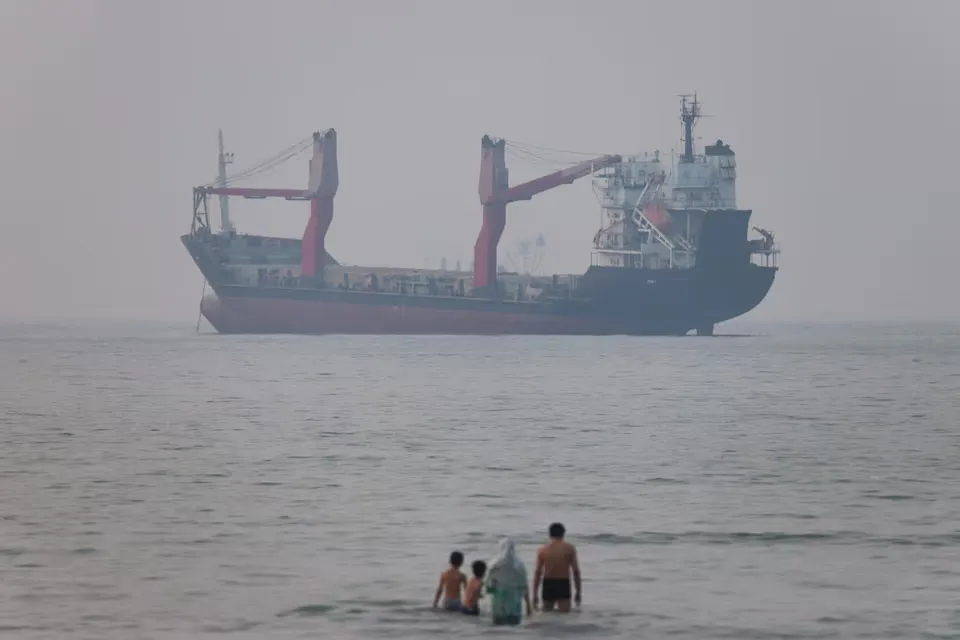
Iranian state media reported that a foreign container ship ran aground on Wednesday after entering shallow waters outside the designated shipping route.
"Hormuz continues to reopen but it's patchy, unpredictable, and not fully transparent," said Vandana Hari, founder of oil market analysis firm Vanda Insights.
The conflict has disrupted energy markets and regional stability, while diplomatic efforts have also intensified over Lebanon. The interim agreement includes provisions aimed at ending the parallel conflict involving Israel and the Iran-backed group Hezbollah, alongside separate U.S.-backed negotiations between Israel and the Lebanese government.