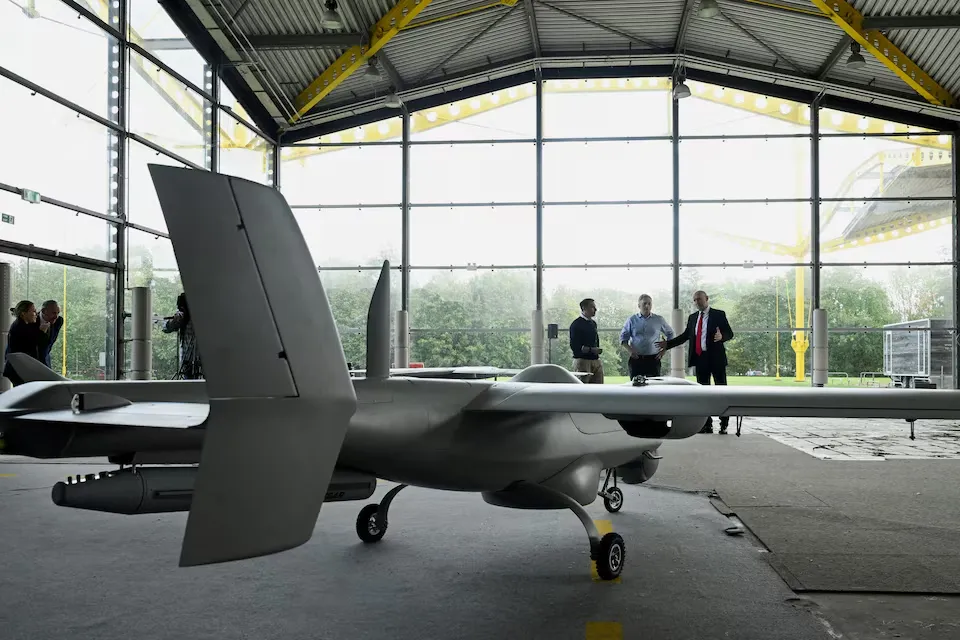
The UK government is set to unveil its long-delayed Defence Investment Plan on Tuesday, with £5 billion earmarked for drones and autonomous systems as part of efforts to modernise the country's armed forces amid growing security threats.
The plan faced delays following the resignation of former Defence Minister John Healey, who accused Prime Minister Keir Starmer of failing to secure sufficient funding to strengthen national defence.
Critics said the package does not provide enough funding to make Britain fully prepared for future conflict. General Richard Barrons, former commander of the Joint Forces Command, said more investment was needed to strengthen the country's defences.
"It is still not going to crack the issue of, in order to defend the UK sufficiently well, sufficiently quickly, more has to be done sooner, and that requires more money than is currently on the table," he told BBC Radio.
Military officials have warned that Russia could be in a position to attack a NATO member as early as 2030. Defence leaders have also identified a £28 billion funding gap over the next four years, while reports suggest the new plan will provide £15 billion without setting a timeline for raising defence spending to 3% of national income.
The strategy prioritises attack drones, autonomous fighter aircraft and uncrewed naval vessels, reflecting lessons from the war in Ukraine. The government has also confirmed it will cancel plans to replace ageing destroyers and instead acquire at least six combat vessels designed to coordinate uncrewed systems.
Defence Minister Dan Jarvis said uncrewed technology is reshaping modern warfare and that the updated plan would accelerate the delivery of new capabilities to the armed forces.
Industry representatives said the nine-month delay in publishing the plan had slowed investment in Britain's defence sector. Rich Drake, UK manager of drone manufacturer Anduril, said future investment would depend on how quickly contracts are awarded.
"The detail of what the numbers actually are between each of the programmes, and when they wish to spend it ...those details now really matter," he told BBC Radio.